Why EraGenix™ Exists
Modern medicine excels at diagnosing disease and managing late-stage pathology—but often intervenes after functional decline has already occurred.
Patients are commonly offered:
• Long-term medications to suppress symptoms
• Injections that provide temporary relief
• Surgery as the first definitive solution
What is missing is a proactive, structured approach that:
- Treats degeneration earlier
- Preserves tissue instead of replacing it
- Supports the body's natural healing processes
- Aligns care with function, movement, and longevity
EraGenix™ was created to correct this gap.
Founding Vision
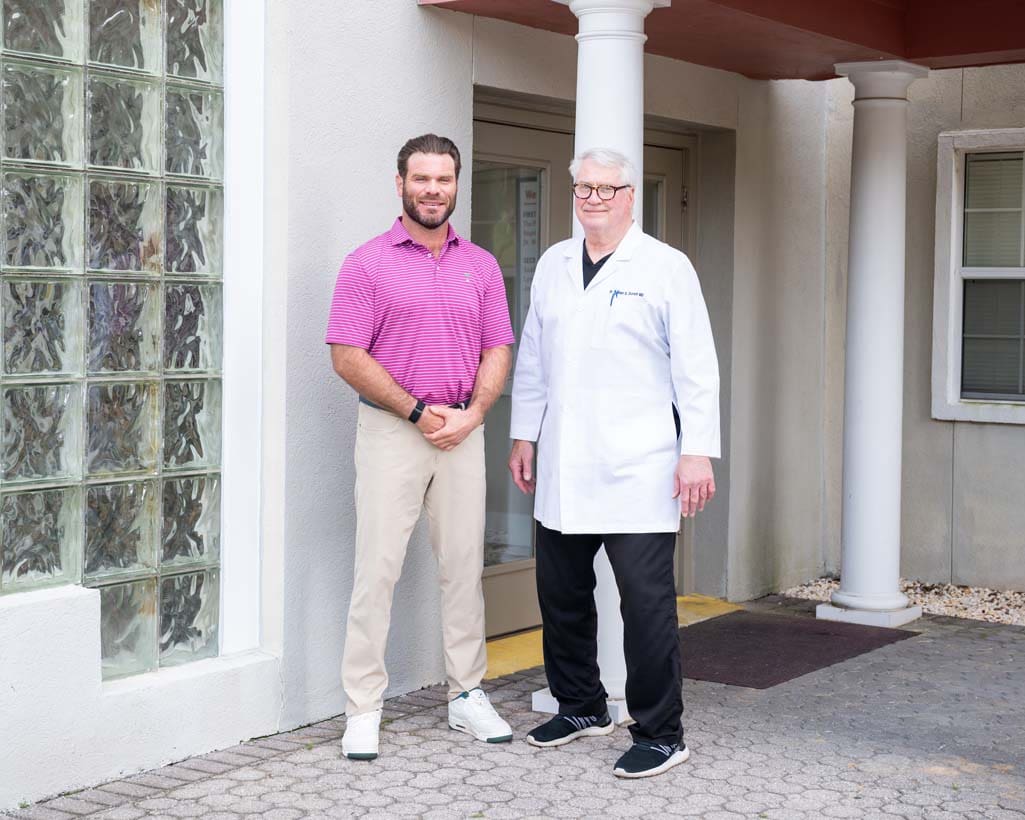
EraGenix™ was founded through the partnership of Dr. William Edward Durrett and Will Durrett, combining two complementary perspectives:
Physician Insight
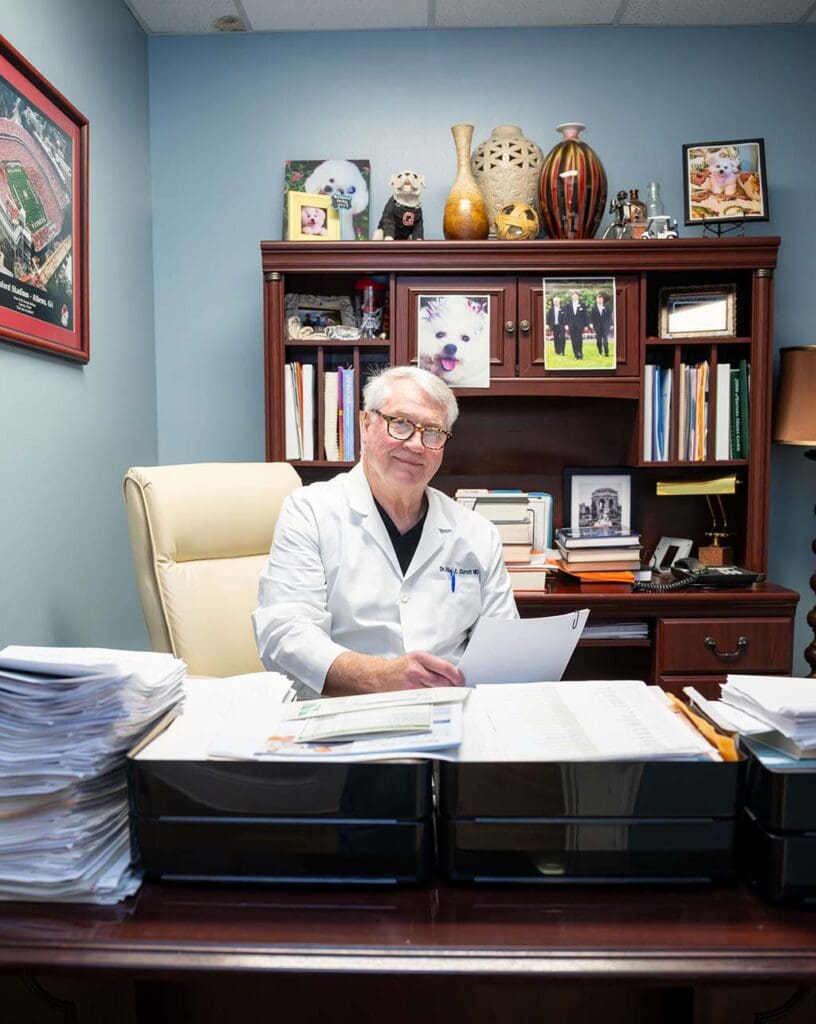
Dr. Durrett spent decades in traditional medicine, understanding anatomy, pathology, and procedural care. Over time, he observed that many patients reached surgery or long-term pharmaceutical management only after the window for meaningful tissue recovery had passed.
Performance & Systems Insight
Will Durrett’s background in athletic training, biomechanics, and performance optimization emphasized a different truth: in high-performance environments, decline is addressed early, not accepted. The body is adaptive when supported correctly.
Together, they built EraGenix™ to bridge medicine and performance—treating degeneration as a process to be managed early, intelligently, and ethically.
Core Philosophy
EraGenix™ operates under four non-negotiable principles:
- The body is adaptive, not broken
- Degeneration is often preventable
- Healing is a process, not a product
- Regenerative medicine must be precise, ethical, and evidence-informed
Together, they built EraGenix™ to bridge medicine and performance—treating degeneration as a process to be managed early, intelligently, and ethically.
Core Philosophy
EraGenix™ operates under four non-negotiable principles:
We reject:
• One-size-fits-all treatment plans
• Unnecessary surgery as a first step
• Symptom masking without structural or biologic support
We prioritize:
• Function
• Longevity
• Resilience
• Movement quality